
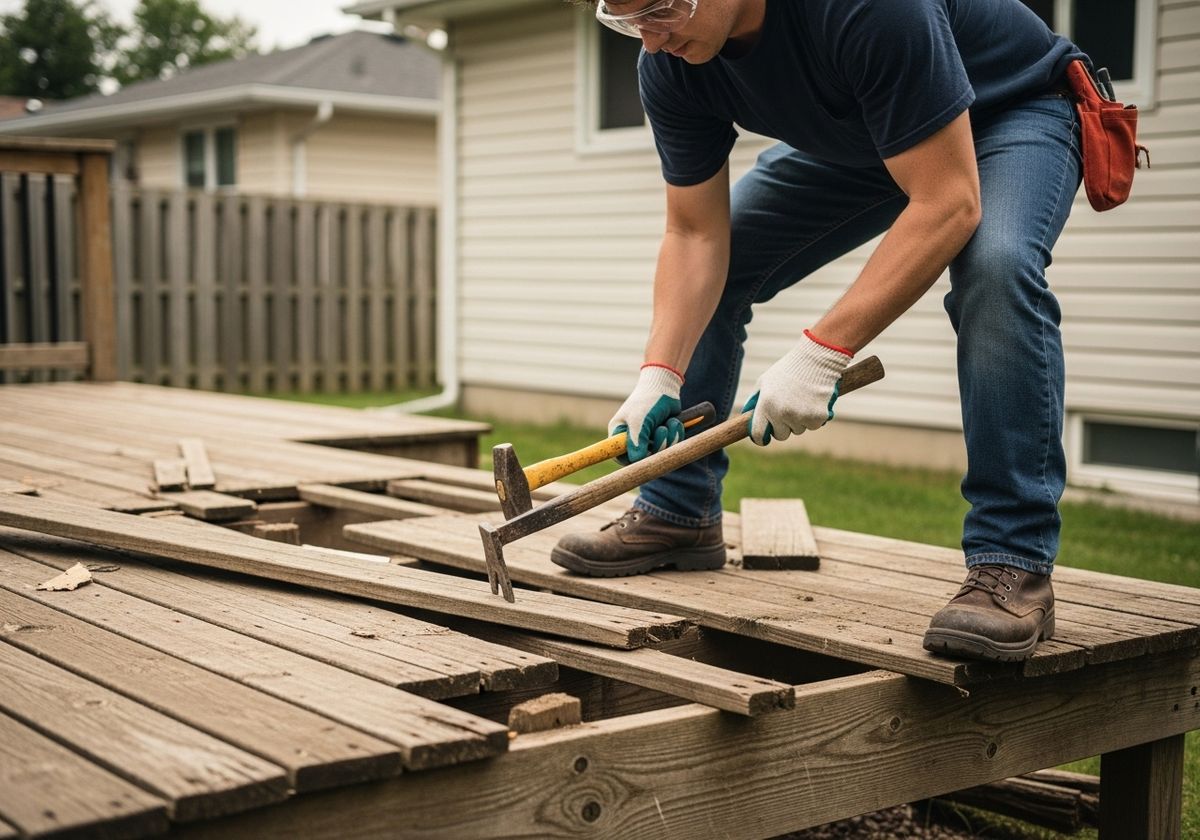
So, you've decided it's time to say goodbye to that old shed or deck. Whether it's become an eyesore, a safety hazard, or you're simply ready for something new, the demolition and removal process requires careful planning. Taking the time to do it right ensures safety, efficiency, and avoids potential headaches down the road.
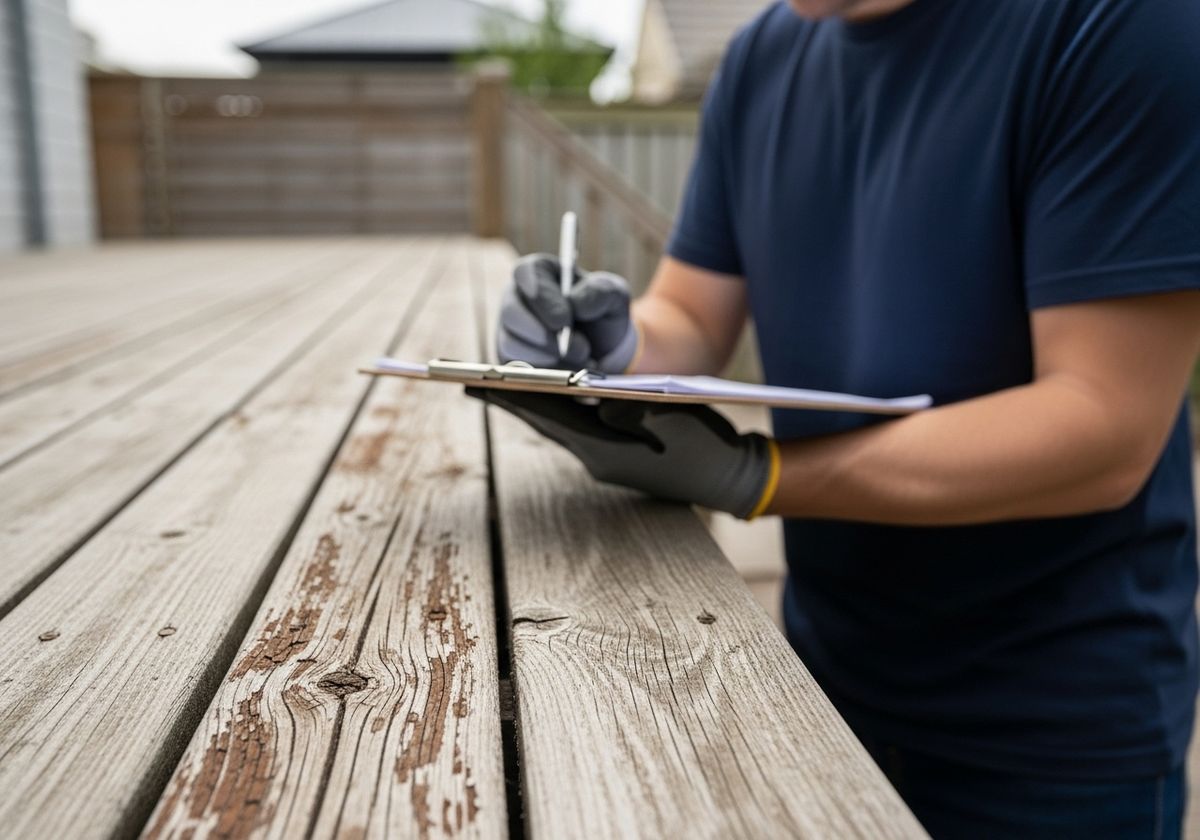
Assessing the Situation
Before you start swinging a hammer, take a good look at the structure you're dealing with. Consider these factors:
Materials: Is it wood, metal, or a combination? Knowing the materials will dictate the tools and disposal methods needed.
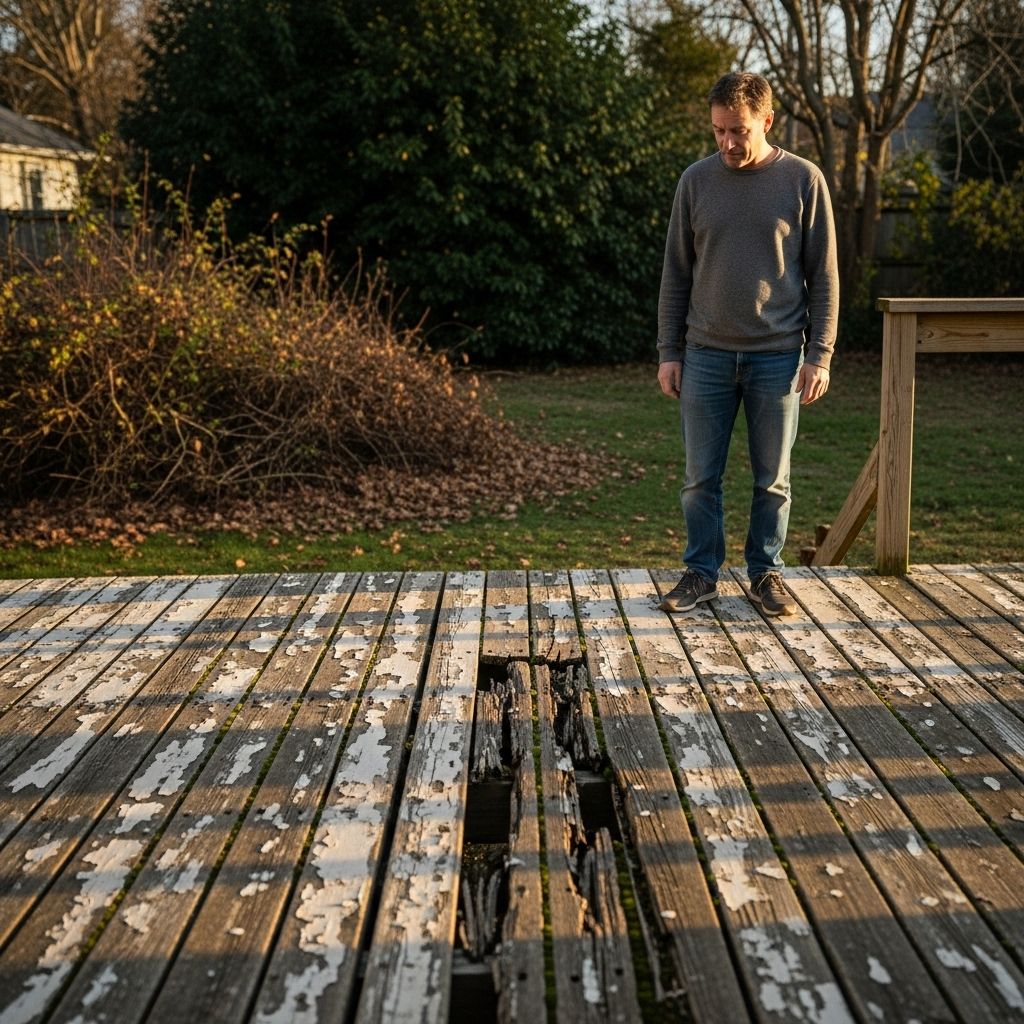
Condition: How deteriorated is it? Severely rotted wood can be unstable and pose a risk during demolition.
Location: Is it close to your house, fence, or other structures? You'll want to protect these from damage.
Utilities: Are there any buried utilities (gas, electric, water) running to or near the shed or deck? Call your utility companies to mark any lines before you begin digging or demolition.
Safety First
Demolition can be dangerous, so prioritize safety. Here's a basic checklist:
Personal Protective Equipment (PPE): Wear safety glasses, gloves, sturdy boots, and a dust mask or respirator.
Clear the Area: Keep children, pets, and bystanders away from the work zone.
Tool Safety: Use the right tools for the job and ensure they are in good working condition. Be familiar with how to use them properly.
Structural Awareness: Understand how the structure is put together to avoid unexpected collapses.
Demolition Techniques
There are several ways to demolish a shed or deck, depending on its size, construction, and your comfort level.
Manual Demolition: Using hand tools like hammers, pry bars, and saws to disassemble the structure piece by piece. This is best for smaller structures or when you want to salvage materials.
Power Tool Demolition: Using power tools like reciprocating saws, drills, and demolition hammers to speed up the process. This requires more experience and caution.
Heavy Equipment Demolition: For larger or more complex structures, you might consider using heavy equipment like excavators or skid steers. This is best left to professionals.
Debris Removal
As you demolish the structure, you'll generate a lot of debris. Plan how you'll handle it.
Dumpster Rental: Rent a dumpster for easy disposal of large quantities of debris.
Hauling: Load the debris into a truck or trailer and haul it to a landfill or recycling center yourself.
Debris Removal Services: Hire a company to handle the demolition and debris removal for you. They'll have the equipment and expertise to do it safely and efficiently. This is especially helpful for handling items that require special disposal, like treated wood or hazardous materials.
Environmental Considerations
Be mindful of the environmental impact of your demolition project.
Recycling: Separate recyclable materials like metal, wood, and concrete.
Hazardous Materials: Dispose of hazardous materials like treated wood, asbestos, or lead paint properly.
Dust Control: Use water to suppress dust during demolition.
Planning the safe demolition and removal of a shed or deck involves assessing the structure, prioritizing safety, choosing the right demolition techniques, and planning for debris removal. Tackling these projects can be a big job, especially when unexpected issues arise. That's where Dirty Works comes in. We live by our slogan: From dirt to done! and our value proposition means that we don’t hide behind weather, delays, or broken equipment. We figure it out. If you're feeling overwhelmed by the prospect of demolition, junk removal, or debris removal, reach out to us for a free quote. And remember to keep an eye on our blog for more tips on property maintenance!