
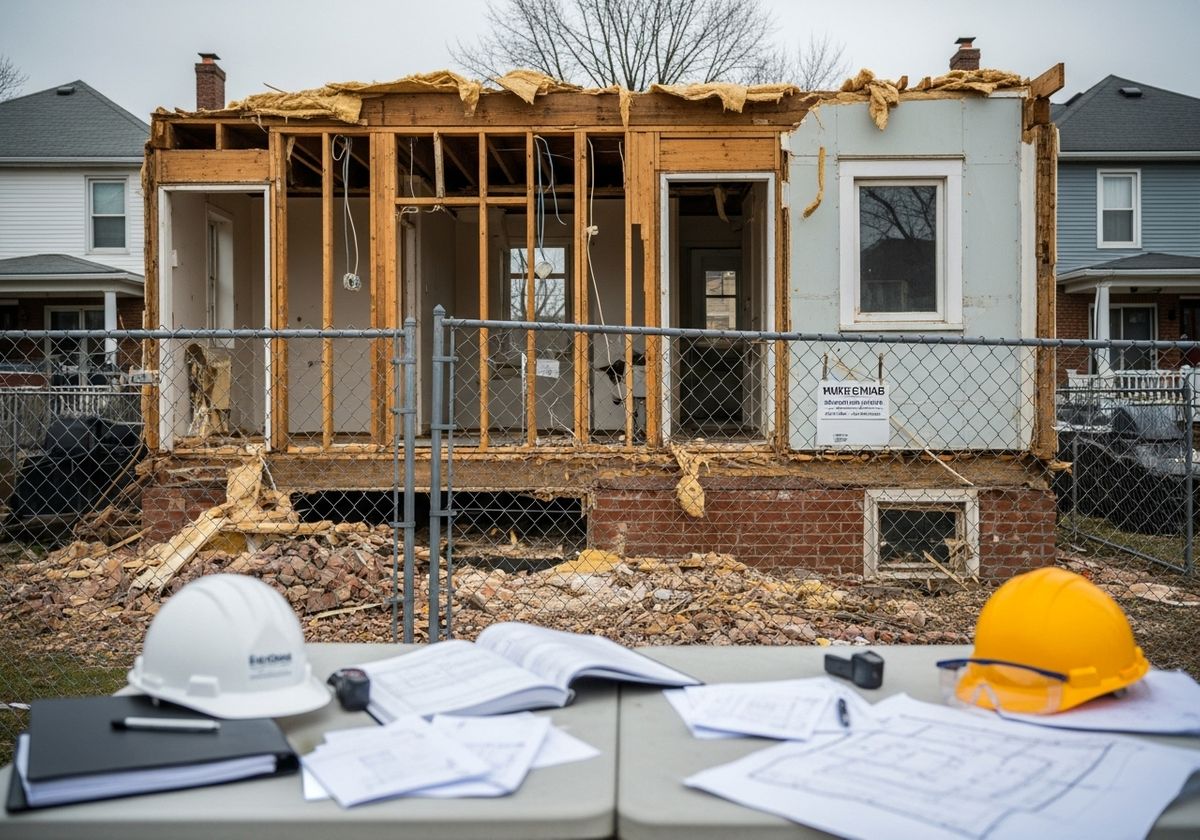
Navigating the world of residential demolition can feel like piecing together a complex puzzle. Beyond the excitement of clearing space for a new project, homeowners often face a maze of local regulations and permit requirements. At Dirty Works, we believe understanding these regulations is crucial for a smooth, legally compliant, and hassle-free demolition process.
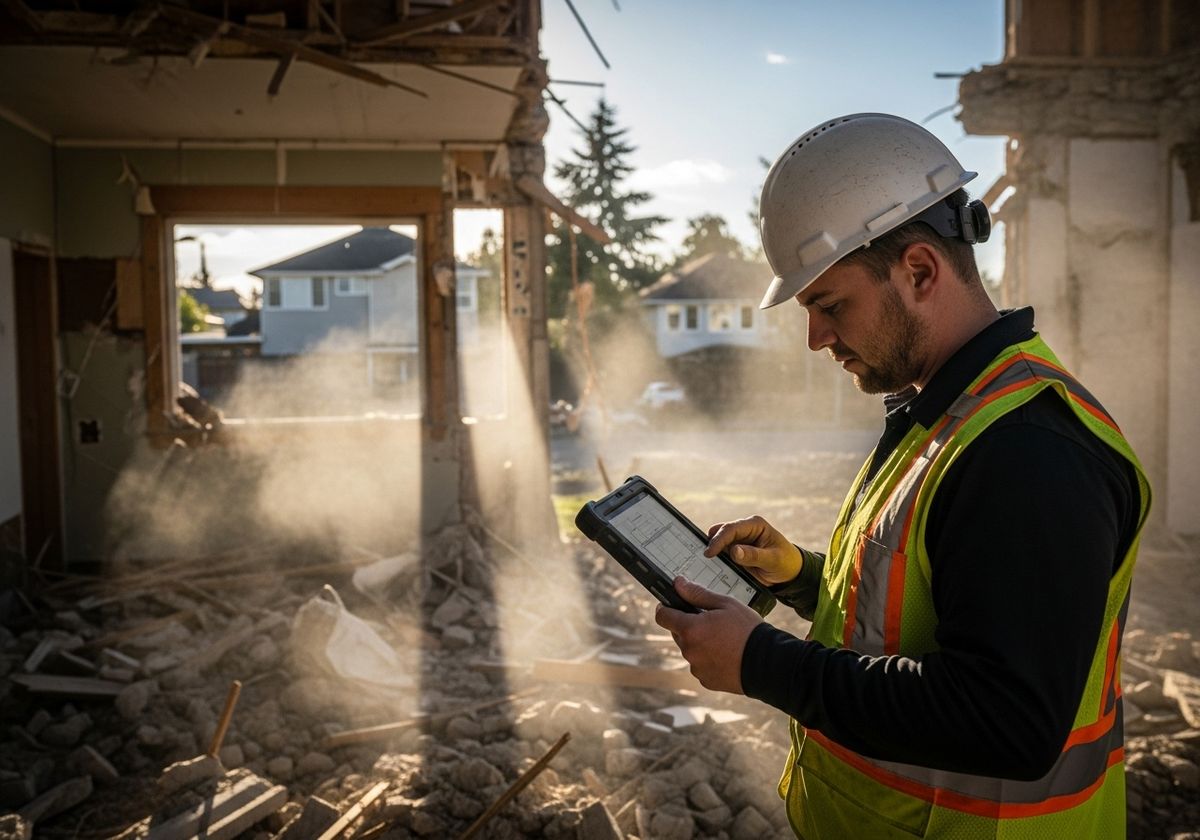
Why Permits Matter
Permits exist to ensure public safety and environmental protection. Demolition can impact air quality (dust), water runoff, and structural integrity of neighboring properties. Permits allow local authorities to review your plans, ensuring they meet safety standards and environmental guidelines. Ignoring permit requirements can lead to hefty fines, project delays, and even legal action.
Decoding Local Regulations
Regulations vary significantly from city to city and county to county. Some common areas covered by demolition permits include:
Asbestos Inspection: Many jurisdictions require an asbestos inspection before demolition, especially for older homes. If asbestos is present, it must be removed by a licensed professional before any demolition work begins.
Lead Paint Abatement: Similar to asbestos, lead paint is a concern in older structures. Regulations may require lead paint testing and abatement procedures.
Erosion and Sediment Control: Demolition can expose soil, leading to erosion and water pollution. Permits often require measures to control erosion and prevent sediment runoff.
Site Safety Plan: A detailed plan outlining safety measures to protect workers, neighbors, and the environment may be required.
Waste Disposal: Regulations often dictate how demolition debris must be disposed of, including recycling requirements.

Steps to Obtain a Demolition Permit
Research Local Requirements: Start by contacting your local building department or visiting their website. Obtain a list of required permits, applications, and supporting documents.
Hire Qualified Professionals: Depending on the scope of the project, you may need to hire a licensed contractor, asbestos abatement specialist, or engineer.
Prepare Documentation: Gather all necessary documents, including site plans, demolition plans, asbestos/lead paint inspection reports, and contractor licenses.
Submit Application: Complete the permit application and submit it to the local building department along with all required documentation.
Inspection and Approval: The building department will review your application and may conduct site inspections. Once approved, you will receive your demolition permit.
Common Pitfalls to Avoid
Starting Work Without a Permit: This is a surefire way to incur fines and delays.
Ignoring Asbestos/Lead Paint Regulations: Failing to properly address these hazards can have serious health consequences.
Improper Waste Disposal: Illegal dumping of demolition debris can result in significant penalties.
Not Notifying Neighbors: Keep your neighbors informed about the demolition schedule to minimize disruption and maintain good relations.
Navigating demolition permits can be daunting, but understanding the process and following local regulations is essential for a successful project. By taking the time to research requirements, hire qualified professionals, and prepare thorough documentation, you can avoid costly mistakes and ensure a safe and compliant demolition. Remember, proper property maintenance includes responsible demolition and debris removal. When you need a hand tackling the tough jobs, remember Dirty Works. We offer comprehensive demolition, junk removal, and debris removal services to help you reclaim your space, safely and efficiently. From dirt to done! Contact us today for a free consultation and let us handle the dirty work for you!